The Association of Media Women in Kenya (AMWIK), in partnership with UNESCO, has officially launched the Empowering Journalists for Safety and Equity in Kenya.
The launch, which took place on July 3, 2026, marked the formal rollout of a project designed to address the growing risks facing journalists in Kenya, including online harassment, physical threats during assignments, and the psychological toll of covering traumatic events.
The initiative comes at a time when journalists in Kenya have faced increasing obstacles to their safety and professional wellbeing. Reports have documented rising incidents of obstruction, intimidation, and assault against journalists covering public events, with some practitioners reportedly resorting to self-censorship as a result.
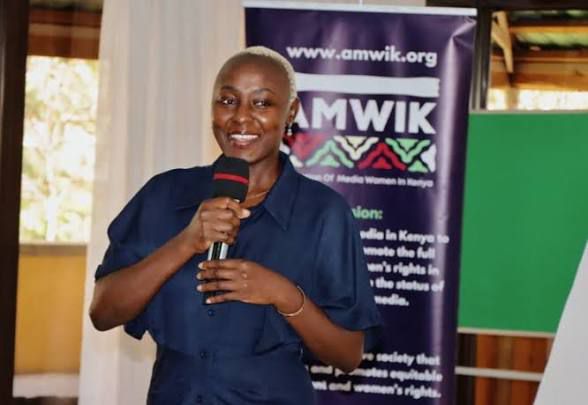
Speaking during the event, AMWIK Executive Director Queenter Mbori highlighted the project’s focus on systemic change, noting the importance of creating an enabling media environment and outlining the project’s core objectives and anticipated impact on Kenya’s media landscape.
”This project is going to build capacity in gender-sensitive reporting and create an enabling environment for journalists,” Mbori said.
”In terms of that, we will equip a few media organizations with sexual harassment policies and psychosocial support mechanisms. We hope that this intervention will help bring down the numbers that AMWIK reports reveal.”
She highlighted the urgency of these efforts, noting that according to AMWIK research, about fifty-eight percent of journalists are set to cover the upcoming elections.
”These are the issues we are going to address,” she emphasized. “This project will create an enabling environment and build capacity so that journalists can do their work safely and effectively.” she noted.
Research by AMWIK reveals that sixty percent of surveyed journalists have faced sexual harassment, with over seventy-five percent of cases perpetrated by male editors and supervisors, and forty-two percent of incidents occurring during internships.
The study also shows seventy percent of respondents were unaware of any newsroom harassment policies, and nearly fifty percent lacked knowledge of safe reporting channels.
On career progression, only thirteen point two percent of women journalists remain beyond fifteen years in the profession, and just three point seven percent hold senior editorial roles.
Additionally, sixty-four point eight percent have experienced safety breaches while working, thirty-three point four percent reported stress linked to digital abuse, and twenty percent admitted to self-censorship due to online harassment.
Similarly, UNESCO estimates that globally, over seventy percent of women journalists have endured online violence. A 2021 UNESCO study further found that one in four women journalists reported threats of physical violence, while four in ten experienced orchestrated disinformation campaigns targeting their credibility and safety.