Photo/courtesy.
Kenya plans to raise Sh129.2 billion through sustainability-linked loans and bonds over the next two years as it seeks cheaper financing tied to environmental and development targets.
The National Treasury aims to secure the financing in two equal tranches of Sh64.6 billion each, beginning with a syndicated sustainability-linked commercial loan expected before the end of September 2026. A second issuance is planned during the 2027/28 financial year and is likely to be structured as a sustainability-linked bond.
The government expects the financing to lower borrowing costs by as much as two percentage points compared with conventional market loans.
To support the first tranche, the World Bank will provide Sh16.1 billion in credit enhancement, while the OPEC Fund will contribute Sh9.6 billion. The Treasury is currently finalising requests for proposals before selecting participating financial institutions, including commercial banks.
Unlike conventional borrowing, the cost of the new financing will depend on Kenya’s performance in meeting agreed sustainability targets. These include protecting natural forests and expanding electricity access in rural areas.
Under the framework, Kenya will qualify for lower borrowing costs if cumulative natural forest loss remains below 38,000 hectares by 2030. The interest rate will remain unchanged if forest loss stays below 44,000 hectares. Failure to meet the target will result in higher borrowing costs.
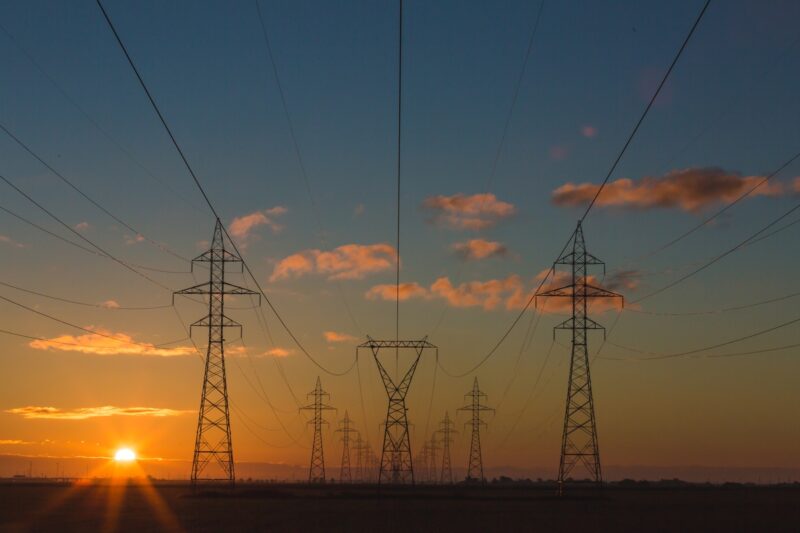
The government has also committed to increasing rural electricity access from 67.9 percent recorded in 2023 to at least 81.8 percent by 2030. Achieving access above 94.4 percent would qualify the country for even better financing terms.
The sustainability-linked financing framework was developed with support from the World Bank and formed part of the conditions for the lender’s Sh97 billion financing approved at the end of June. The funding was part of a broader package that provided Kenya with about $1.25 billion to support fiscal reforms.
The framework broadens Kenya’s financing options beyond instruments such as Sukuk bonds, Samurai bonds and debt-for-nature swaps. It also allows the government to use the proceeds for general budget financing instead of restricting them to specific environmental or social projects.
The move reflects Kenya’s growing shift towards innovative financing models that reward countries for achieving measurable environmental and development outcomes while reducing the cost of public borrowing.