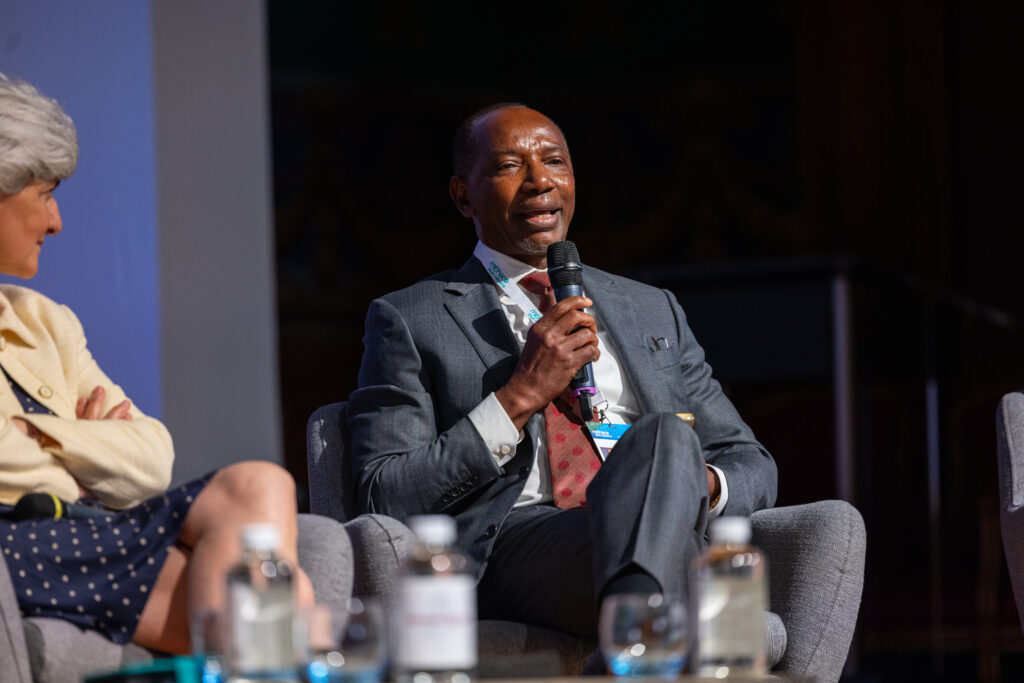
Humphrey Kariuki, JCG Founder. Photo/courtesy.
Africa’s blue economy has the potential to contribute more than $405 billion annually and support 57 million jobs by 2030, but achieving that growth will require greater investment in marine conservation and coastal communities, participants at a major international ocean forum heard this week.
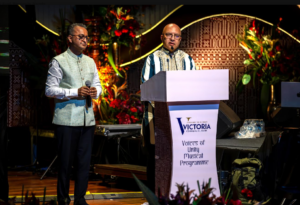
Speaking during the 17th Monaco Blue Initiative and the 2nd Blue Economy and Finance Forum, Kenyan entrepreneur and conservationist Humphrey Kariuki called for stronger partnerships and increased financing to support sustainable ocean-based industries across the continent.
Kariuki said Africa’s oceans and coastal ecosystems remain critical economic assets that support fisheries, tourism, food security, trade and millions of livelihoods.
“Along Africa’s coastlines, healthy marine ecosystems support livelihoods, food security, tourism, and local businesses. When these ecosystems decline, communities lose opportunity and livelihoods, but when restored and properly managed, they can become the foundation of a regenerative blue economy that benefits both people and nature,” Kariuki said.
His remarks came during a panel discussion on financing ocean conservation and governance, where policymakers, investors and development institutions explored ways to mobilize capital for nature-based solutions.
According to estimates by the African Union and the United Nations Development Programme (UNDP), Africa’s blue economy currently contributes nearly $300 billion annually and supports close to 50 million jobs. Experts believe the sector could grow significantly over the next decade if countries strengthen regional cooperation and attract sustainable investment.
Central to the discussions was the Great Blue Wall Initiative, a continental effort aimed at conserving and restoring marine and coastal ecosystems while creating economic opportunities for communities living along Africa’s coastline.
The initiative is currently implementing pilot projects in Kenya, Tanzania, Zanzibar, Mozambique, Madagascar and Comoros, with plans to expand to additional coastal states between 2026 and 2030.
Kariuki emphasized that conservation efforts must deliver tangible benefits to local communities if they are to succeed.
“If conservation excludes communities, it will not succeed. Coastal populations must benefit through jobs, enterprise opportunities, restoration work, sustainable tourism, aquaculture and blue carbon initiatives,” he warns.
He also urged investors and businesses to adopt financing models that balance economic growth with environmental sustainability.
“Investment into Africa’s oceans cannot only be extractive and profit-driven, it must also contribute to restoration, preservation and long-term economic benefits for the communities and ecosystems that sustain industries,” he said.
The discussions in Monaco come at a time when governments, development partners and conservation organizations are increasingly looking to the blue economy as a driver of sustainable growth, climate resilience and job creation across Africa.