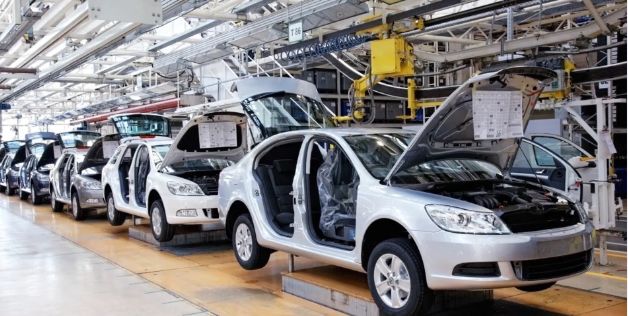
An electric vehicles plant.photo/courtesy
Rideence Africa Limited, has announced a Sh320 million partnership with Associated Vehicle Assemblers (AVA) to begin local assembly of electric vehicles in Mombasa, positioning Kenya as an emerging electric mobility manufacturing hub in East Africa.
Under the agreement, the initial assembly phase will see 152 electric vehicles assembled from Completely Knocked Down (CKD) kits by the end of February 2026.
The first batch will comprise 132 Henrey electric taxis and 20 Joylong electric high-roof matatus, targeting the public transport and ride-hailing segments where fuel and operating costs are highest.
The project marks a strategic shift for Rideence, which over the past three years has relied on importing fully built electric vehicles from China while scaling a leasing model aimed at professional drivers.
From EV imports to local assembly
Since launching operations in Kenya, Rideence has deployed more than 180 fully built electric vehicles, including 54 electric matatus and 128 taxis, creating what the company describes as East Africa’s largest electric ride-hailing fleet.
Its driver-first leasing model allows taxi drivers to lease the flagship Henrey electric vehicle at KSh 2,400 per day, significantly lowering barriers to vehicle ownership.
According to the company, drivers spend about Sh400 to fully charge an EV for a 200-kilometre range, compared with more than Sh2,000 in petrol costs for the same distance.
This cost advantage has been a key driver of adoption, particularly as fuel prices and operating expenses continue to rise across the region.
“Having already invested over Sh1.4 billion in Kenya since 2023, Rideence is strategically transitioning from operator to local manufacturer,” said Minnan Yu, Managing Director of Rideence Africa Limited.
“Our vision is to become a leading new energy mobility enterprise, born in Kenya and serving Africa. This partnership moves us beyond importing solutions to co-creating them locally.” Minnan Yu added.
Local content and industrial development
The Mombasa assembly project will be hosted at AVA’s vehicle assembly facility, leveraging the company’s dominant position in Kenya’s automotive manufacturing sector.
AVA currently assembles 43 percent of all locally assembled vehicles in the country and works with multiple global brands.
Rideence says the partnership will raise local parts procurement to over 25 percent by 2026, with an initial localisation target of 15 to 25 percent in the short term and a longer-term ambition of 40 to 60 percent local content.
The localisation roadmap is designed to stimulate domestic supply chains while reducing import dependence and foreign-exchange exposure.
“This partnership delivers Kenya’s first dedicated electric vehicle assembly line, demonstrating that the country has the capacity and capability to assemble EVs locally at scale,” said Matt Lloyd, Managing Director of AVA.
“Through local assembly, we are accelerating the transition to affordable, low-emission transport while creating jobs, enabling technology transfer, and strengthening Kenya’s industrial base for long-term growth.” Lloyd further added.
Job creation and skills transfer
Rideence estimates that the Mombasa assembly project will have a significant employment multiplier effect. Since 2023, the company says it has created between 550 and 680 direct jobs, largely linked to fleet operations, maintenance, and charging infrastructure.
The new investment phase is expected to generate at least 3,000 additional direct and indirect jobs across assembly, component supply chains, charging infrastructure, and associated services.
The move aligns with Kenya’s broader industrialisation agenda, which prioritises skills development, manufacturing depth, and green technology adoption.
Charging infrastructure expansion
To support its growing EV fleet, Rideence is scaling up its charging network nationwide. The company currently operates 16 charging stations and plans to expand this to 100 locations by the end of 2026.
The expanded network is expected to support not only Rideence-operated vehicles but also the wider EV ecosystem, including private operators and fleet owners, as electric mobility adoption accelerates.