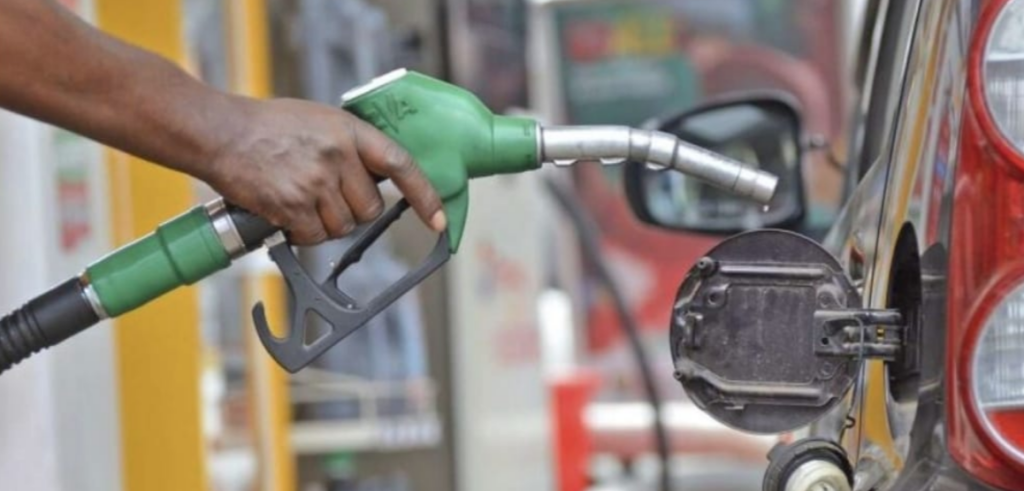
Photo/courtesy.
By Terry Gathoni
Every litre of fuel lost without notice is money gone and for many Kenyan fleet owners, that loss is happening daily.
At a time when fuel remains one of the biggest operating costs, even small leakages are adding up fast. Whether through inefficiencies or outright theft, businesses running trucks, vans, or service vehicles are quietly bleeding cash.
Following recent price reviews by the Energy and Petroleum Regulatory Authority, pump prices have remained high, and for companies managing large fleets, fuel now accounts for a significant share of monthly expenditure.
For a logistics company operating dozens of trucks, even a few litres lost per vehicle each week can translate into hundreds of thousands of shillings over time. In sectors like construction, agriculture, and security services, where vehicles operate across long distances and multiple sites, the problem is even harder to detect.
One of the biggest contributors to these losses is fuel siphoning. This involves the illegal draining of fuel from vehicles or storage tanks and in many cases, it goes unnoticed until the impact becomes visible in delayed deliveries, rising costs, or inconsistent performance. The damage is not just financial. Poor fuel accountability can disrupt operations, affect client trust, and expose companies to environmental and compliance risks when spills occur.
What makes the issue more challenging is how subtle it can be. A driver taking a small amount of fuel regularly or a minor leak in the system may not raise immediate alarms, but over time, these small losses accumulate into significant financial strain.

In response, more Kenyan businesses are turning to smarter monitoring systems to regain control. These systems provide real-time visibility into how fuel is used across fleets and operations. They combine fuel sensors that detect sudden drops in tank levels, GPS tracking that monitors routes and deviations, access controls that limit who can refuel, and dashboards that flag unusual consumption patterns. The shift is stopping theft and improving efficiency.
READ: EPRA Hikes Electricity Costs as Kenyan Power Bills Jump Up to 30%
With better visibility, fleet managers can identify issues like excessive idling, poor route planning, or unnecessary trips. They can reroute vehicles to avoid traffic, monitor driver behaviour, and reduce overall fuel consumption. Over time, these adjustments can significantly lower operating costs.
Unlike traditional methods that rely heavily on manual logs and supervision, modern systems automate much of the process. Alerts can be triggered instantly when suspicious activity occurs, allowing managers to respond before losses escalate. Centralized dashboards also make it easier to oversee multiple vehicles or sites at once, which is critical for businesses operating across different regions.
That said, adoption is still uneven. Smaller businesses often hesitate due to the cost of installation or lack of awareness, even though the long-term savings can outweigh the initial investment.
With fuel prices unlikely to drop significantly in the near term, Kenyan businesses are being forced to rethink how they manage one of their most critical resources. For fleet-heavy operations, the reality is becoming harder to ignore.
Fuel losses are no longer just a cost of doing business. They are a daily leak on profitability, and in an environment where margins are already under pressure, what cannot be tracked is quietly draining the bottom line.
Terry Gathoni is a Senior Sales Executive at SGA Security Kenya