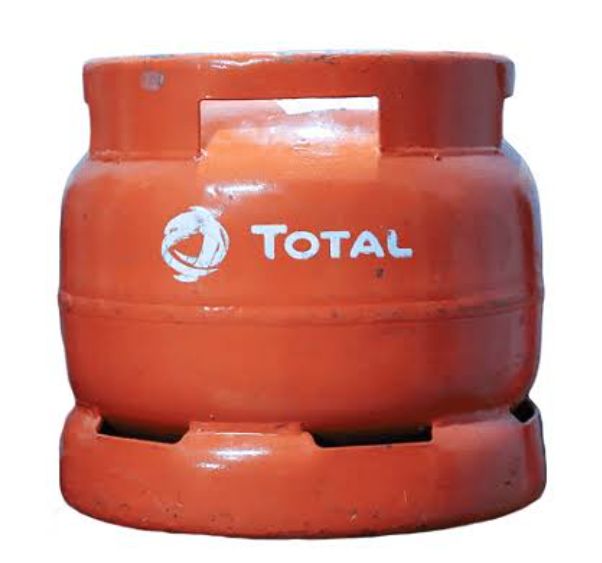
An LPG gas cylinder/photo. courtesy
The Energy and Petroleum Regulatory Authority (EPRA) has issued new safety requirements for Liquefied Petroleum Gas (LPG) cylinder wholesalers and retailers across Kenya, warning that non-compliance will attract immediate enforcement action.
In a public notice, the Authority directed all LPG traders to strictly adhere to the Petroleum Act and the Petroleum (Liquefied Petroleum Gas) Regulations, 2025, outlining detailed operational, storage, transportation, and record-keeping requirements.
EPRA emphasized that all LPG traders must possess a valid operational license and only sell cylinders for which they have written consent from the legally registered brand owner.
Traders are also required to have a valid fire certificate, calibrated weighing scales, and issue receipts indicating cylinder particulars for each sale.
“LPG traders must comply fully with the safety obligations set out under the law. Failure to do so will result in prosecution, fines, suspension, or revocation of operating licenses,” the Authority said in the notice.
The regulator further ordered strict adherence to Kenya Standards governing the handling, storage, and distribution of LPG in domestic, commercial, and industrial installations.
Under the new directives
LPG cylinders must be stored in well-ventilated, secure areas away from ignition sources.
Full and empty cylinders must be clearly segregated.
Transportation must be done with cylinders kept upright to prevent damage.
Two-wheelers may carry a maximum of six 6kg cylinders or four 13kg cylinders.
Stacking must not exceed four 6kg cylinders or two 13kg cylinders.
EPRA also mandated that traders provide clear safety signage at points of sale, including at least two symbolic signs warning against smoking or open flames.
On record-keeping, the Authority stated that traders must maintain detailed records for every cylinder bought and sold, including brand, serial numbers, seal numbers, net weight, and pricing details.
“Maintaining accurate records enhances traceability and consumer protection in the LPG market,” EPRA noted, adding that proper documentation is critical in curbing illegal refilling and unsafe practices.
The regulator called on members of the public to report any suspected illegal operations, including unlicensed traders, unsafe storage in residential areas, improper stacking, or illegal refilling activities.
“Public vigilance is essential in promoting safety. We urge Kenyans to report non-compliant retailers and wholesalers through our official communication channels,” the Authority said, assuring confidentiality for whistleblowers.