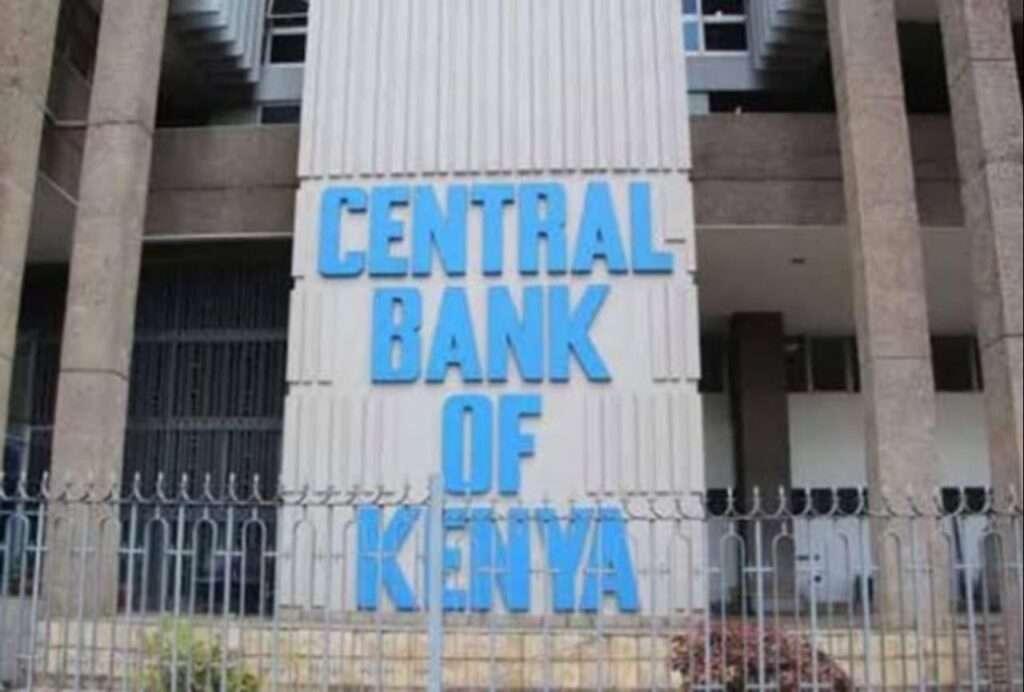
Headquarters Central Bank of Kenya (CBK) in Nairobi. Photo/ Courtesy.
The Central Bank of Kenya (CBK) has approved licenses for 42 additional Digital Credit Providers (DCPs), bringing the total number of officially authorised digital lenders to 195.
The move, announced in a CBK press release on December 30, 2025, is part of a broader regulatory effort under Section 59(2) of the Central Bank of Kenya Act to bring fast-growing digital lending services into a supervised and transparent framework.
This comes three months after the apex bank approved licences for 27 digital lenders, highlighting the fast growing number of digital lenders in the country.
Digital Credit Providers primarily deliver financial services through mobile phones, using platforms such as USSD codes and smartphone apps. Their lending products include short-term personal loans, business financing, education and development loans and asset financing.
According to CBK’s data, the licensed DCPs have already played a major role in expanding financial access in Kenya. As of November 2025, the regulated providers had issued about 6.6 million loans totaling Sh109.8 billion, highlighting how digital lenders are helping close gaps left by traditional banks.
The licensing process responds to longstanding public concerns about the safety and fairness of digital credit products. Over the past few years, unregulated lenders drew criticism for high borrowing costs, unethical debt collection practices and misuse of borrowers’ personal information. The expanded oversight aims to curb such abuses and give consumers greater protection.
CBK has received more than 800 applications from digital lending firms since March 2022. The regulator says it has worked closely with applicants to assess their business models, consumer protection measures and the fitness and propriety of shareholders, directors and management before granting licences.
For firms still in the pipeline, CBK urged swift submission of outstanding documentation so their applications can be reviewed and concluded. The regulator also invited the public to report unlicensed digital lenders to help enforce compliance and protect borrowers.